
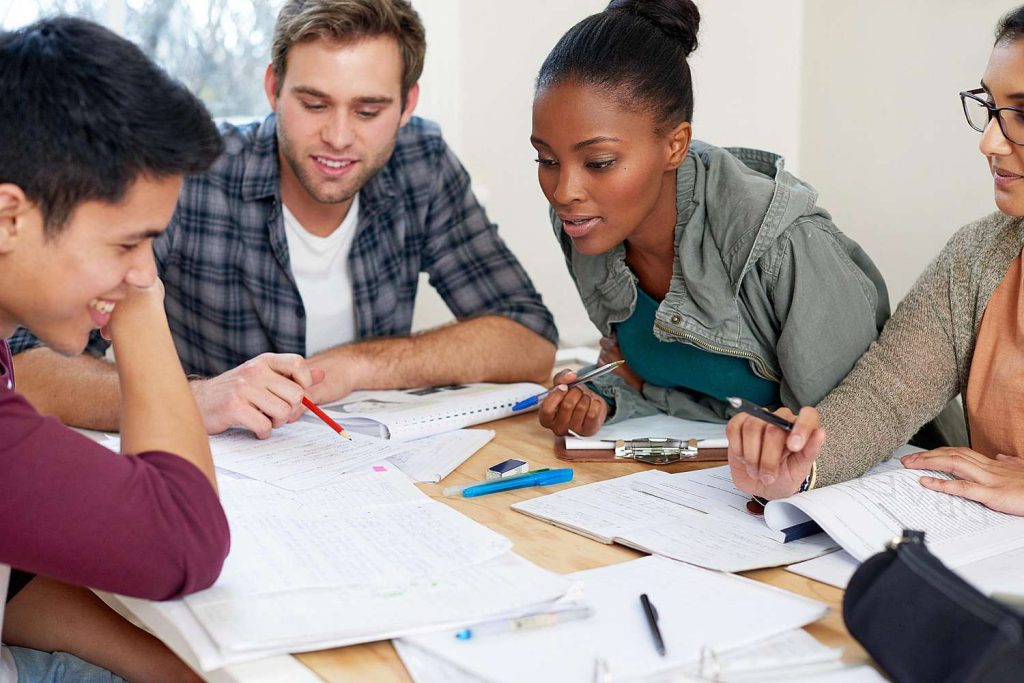
Collaborative learning has quickly become one of the primary teaching practices in contemporary schools, encouraging pupils to work on projects together while sharing ideas and devising solutions as part of an overall group effort. This strategy makes classrooms livelier while increasing engagement for all involved; furthermore it helps develop important lifelong abilities such as Hidden Face DPs that connect learning to personal relationships between pupils; it complements collaborative teaching perfectly!
Improving Your Communicative Skills
One of the great strengths of collaborative learning lies in how it encourages dialogue among its participants. Students develop listening and speaking abilities as well as understanding various points of views in order to form stronger bonds within both school environments and real life settings. By openingly sharing thoughts among themselves they also learn appreciation. Royal Attitude Shayari shows children can use communication to build their identity and confidence – the latter of which increases when working in tandem.
Explore Your Interest And Increase Motivation
Collaborative learning provides an engaging alternative to passive studying for students who struggle to find motivation through traditional means of study, while making classes more interactive instead of passive. Students become more engaged when working collaboratively on group projects or discussing various subjects together in class; when this occurs they feel that their efforts matter in creating the final product and therefore strive harder in schoolwork and achieve best grades possible. Teachers recognize how working in groups makes classes better places overall while companies often stress this quality as being key when starting up or entering in later life – providing early exposure so they will have more chance at success should they ever enter business themselves later or decide to go into business themselves later.
Enhancing Critical And Creative Thinking
Working collaboratively helps pupils think more clearly. Students benefit greatly when working as teams because it gives them experience comparing diverse ideas and evaluating them critically, building critical thinking skills as they collaborate to evaluate, compare, and come to conclusions together. Creative thinking also improves as teams brainstorm together ideas or try out novel methods of doing things – something many contemporary venues such as online forums that praise new ways of thinking promote; StartupBeat exhibits this same spirit by showing that working together and thinking differently can bring real success!
Enhancing Social And Emotional Skills
Students learn to manage their emotions, be patient, and resolve disagreements positively when working together with others. To work well together you need to put yourself in another’s shoes while showing respect to build good social skills that also increase awareness of yourself and keep emotions under control. Learning how to work well together also leads to flexible helping habits which are vital components for future success in school and work environments – classrooms that put an emphasis on working well together often report that their students get along better as the learning environment becomes more supportive for everyone involved.
Preparing Students To Succeed In The Real World
People who can work well together are an essential asset in modern businesses, and students who study together at school get a glimpse of this real world early. By working collaboratively on tasks at school they gain early experience of how important working together will be in college and at work – perfect preparation for collaboration-intensive environments such as colleges or companies where teamwork matters! Furthermore, collaborative learning equips them to deal with problems efficiently by honing skills they learned in class so as to take full advantage of real world applications of what they learn at school.
Conclusion
Collaborative learning is revolutionizing education today by making learning dynamic, interesting and useful. Collaborative learning teaches people better communication techniques for discussing each other’s ideas creatively or thinking critically as well as being emotionally aware. Students become active participants in their own education which fosters long-term development skills that they will use throughout life. With education changing rapidly collaborative learning stands out as a strong way of equipping young students for future collaboration in working environments.