

Recovering from SIPS surgery involves significant dietary adjustments that directly affect comfort, healing, and long-term results. Patients working with experienced sips surgeons in New York are guided through structured nutrition plans designed to support digestion and nutrient absorption. Knowing which foods to avoid after surgery is just as important as knowing what to eat. Careful food choices help protect the digestive system while supporting steady, sustainable progress.
Why Food Choices Matter After SIPS Surgery
SIPS surgery changes how the body processes food, making certain items harder to tolerate or absorb. The post-surgery digestive system is more sensitive, especially during the early recovery phase.
Avoiding specific foods helps reduce discomfort, prevent complications, and support proper nutrient balance. These restrictions are not temporary inconveniences but essential steps in adapting to the new digestive process.
Sugary and Highly Processed Foods
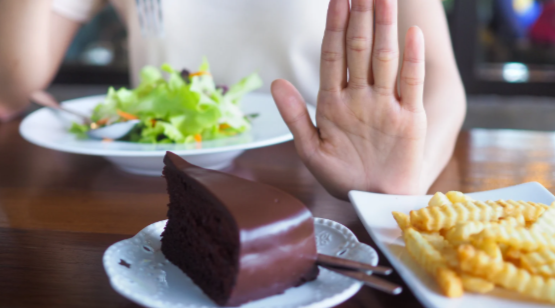
Foods high in refined sugar should be avoided after SIPS surgery. Sugary snacks, desserts, and sweetened beverages can overwhelm the digestive system and interfere with stable blood sugar levels. Highly processed foods often lack nutritional value while being difficult to digest. These items can slow progress and contribute to digestive discomfort rather than supporting recovery.
Fried and High-Fat Foods
Fried foods and items high in unhealthy fats are commonly difficult to tolerate after surgery. These foods place extra strain on digestion and may cause nausea or gastrointestinal upset. Avoiding greasy meals helps the body focus on absorbing essential nutrients rather than struggling to break down heavy fats.
Carbonated and Sugary Beverages
Carbonated drinks can introduce excess gas into the digestive system, leading to bloating and discomfort. Sugary beverages add unnecessary calories without nutritional benefit. Post-surgery hydration plans focus on still, sugar-free fluids that support digestion and overall comfort.
Refined Carbohydrates and White Flour Products
Foods made with refined flour, such as white bread and pastries, provide little nutritional value and are digested quickly. These items can disrupt satiety signals and reduce the effectiveness of the procedure. Replacing refined carbohydrates with nutrient-dense options supports steadier energy levels and better long-term outcomes.
Tough or Dry Protein Sources
Protein is essential after SIPS surgery, but not all protein sources are appropriate. Tough, dry, or overcooked meats can be difficult to digest and may cause discomfort. Protein choices are typically guided by texture and preparation to ensure they are gentle on the digestive system while still meeting nutritional needs.
Alcohol and Caffeinated Drinks
Alcohol is generally discouraged after SIPS surgery due to changes in absorption and tolerance. It can also interfere with hydration and nutrient balance. Caffeinated beverages may irritate the digestive tract and contribute to dehydration, making them less suitable during recovery and beyond.
Understanding the Broader Dietary Framework
Avoiding certain foods works best when paired with a clear understanding of how SIPS surgery supports weight management. Learning from a beginner’s guide to weight loss through the sips procedure helps patients see how dietary restrictions fit into the overall recovery and long-term success plan. This knowledge reinforces why food choices matter and how they support digestive health and sustained progress.
Long-Term Dietary Awareness
Over time, some food tolerances may improve, but many restrictions remain important for maintaining results. Long-term success depends on consistent dietary awareness rather than short-term adjustments. Professional guidance helps patients navigate these changes safely while maintaining nutritional balance.
Conclusion
Avoiding the wrong foods after SIPS surgery is essential for protecting digestion, supporting recovery, and maintaining long-term results. By steering clear of sugary, processed, fatty, and difficult-to-digest foods, patients give their bodies the best chance to adapt successfully. With professional oversight and mindful nutrition choices, post-surgery dietary management becomes a powerful tool for sustained health and stability.