
Maintaining steady indoor comfort becomes challenging as heating systems begin to show signs of wear or inefficiency. Many homeowners notice uneven temperatures, frequent cycling, or rising energy bills without realizing the root cause. Professional service plays a critical role in identifying and correcting these issues before they escalate. For households relying on furnace repair in Chattanooga, expert intervention ensures heating systems perform reliably during the colder months. Proper repair not only restores comfort but also protects long-term system health. When heating equipment functions as designed, indoor environments remain balanced and predictable.
The Impact of Furnace Performance on Indoor Comfort
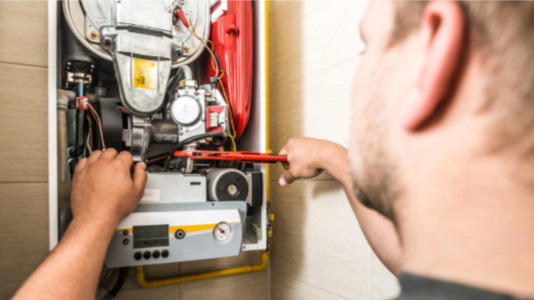
A furnace operates as the backbone of indoor climate control during winter. When components wear down or fall out of calibration, airflow and heat distribution suffer. Some rooms may feel too cold while others overheat, creating discomfort throughout the home. Professional technicians evaluate burners, heat exchangers, sensors, and airflow pathways to restore consistent operation.
A well-maintained system distributes heat evenly and responds accurately to thermostat settings. This level of precision prevents sudden temperature swings and reduces the strain placed on mechanical parts. Professional repair focuses on restoring proper balance rather than offering temporary fixes, which supports both comfort and durability.
Why Timely Repairs Prevent Ongoing Disruptions
Small furnace issues rarely resolve on their own. Ignoring warning signs often leads to frequent breakdowns and unpredictable heating cycles. Professional repair addresses problems at their source, reducing repeated disruptions that affect daily comfort. Issues such as clogged filters, failing igniters, or faulty sensors can interrupt heating without notice.
Addressing these concerns early helps avoid patterns where systems turn on and off too often. Understanding the causes behind irregular operation is essential, and knowing why your furnace keeps turning on and off highlights how professional diagnosis leads to stable performance. Consistent heating depends on precise coordination between system components, which trained experts are equipped to manage.
Energy Efficiency and Comfort Go Hand in Hand
When a furnace struggles to maintain temperature, it consumes more energy than necessary. This inefficiency not only increases utility costs but also creates inconsistent warmth. Professional repair improves efficiency by ensuring each component functions within optimal ranges. Proper airflow, clean burners, and accurate controls allow the system to heat spaces evenly without excessive cycling.
Energy efficiency directly influences comfort because systems that work harder than required often fail to deliver steady results. Professional service restores efficiency, resulting in smoother operation and reliable indoor temperatures. Over time, this balance reduces wear and supports sustained comfort.
The Role of Professional Expertise in System Longevity
Heating systems are complex and require specialized knowledge to repair correctly. Professionals understand how individual components interact and how small misalignments can affect overall performance. Expert repair ensures adjustments are precise and aligned with manufacturer standards.
By relying on professional service, homeowners reduce the risk of recurring issues and unexpected failures. Proper repair extends system lifespan and maintains comfort season after season. Skilled technicians also identify potential future concerns, allowing preventive action before comfort is compromised.
Conclusion
Consistent indoor comfort depends heavily on the condition and performance of heating systems. Professional furnace repair restores balance by addressing inefficiencies, preventing disruptions, and ensuring reliable heat distribution. Through expert evaluation and precise adjustments, heating systems operate smoothly and predictably. Investing in professional care not only improves comfort today but also supports long-term system stability and energy efficiency.