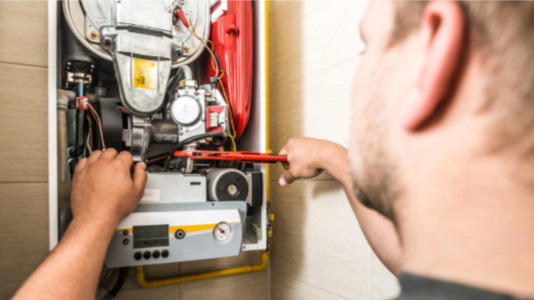

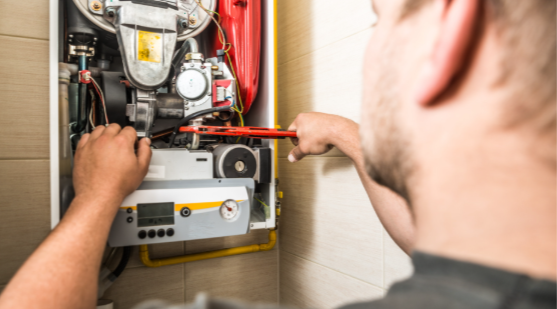
Choosing a new furnace is a major decision that affects comfort, efficiency, and long-term reliability. Homeowners planning furnace installation in Troy often focus on upfront cost, but the right choice depends on several performance and design factors. A properly selected furnace delivers consistent heating, controls energy use, and integrates smoothly with the home’s layout. Understanding what to look for before installation helps ensure the system meets both immediate and future needs.
Heating Capacity and Proper Sizing
One of the most important features to consider is furnace size. A system that is too small may struggle to maintain indoor temperatures, while an oversized unit can cycle too frequently and reduce efficiency.
Professional evaluation ensures the furnace is sized correctly based on square footage, insulation levels, and layout. Proper sizing supports even heat distribution and prevents unnecessary wear on system components.
Energy Efficiency Ratings
Energy efficiency plays a significant role in long-term operating costs. Furnaces are rated by their annual fuel utilization efficiency, which indicates how effectively they convert fuel into heat.
Higher efficiency systems are designed to minimize energy loss while delivering steady performance. Over time, improved efficiency can help stabilize heating costs and support consistent indoor comfort.
System Compatibility and Installation Location
Where the furnace is installed can influence performance and maintenance access. Basement, utility room, or attic installations each come with specific considerations.
Understanding the benefits and drawbacks of installing a furnace in the attic helps homeowners weigh space-saving advantages against accessibility and temperature control challenges. Professional planning ensures the installation location supports both performance and long-term serviceability.
Heat Distribution and Airflow Control
Effective airflow is essential for maintaining even temperatures throughout the home. Modern furnaces are designed with advanced blowers and control systems that regulate air distribution more precisely.
Features such as variable-speed motors allow the system to adjust output gradually, reducing temperature swings and improving overall comfort. Balanced airflow also helps the furnace operate more quietly and efficiently.
Fuel Type and Availability
Furnaces are available in different fuel configurations, including gas and electric systems. The best option depends on availability, usage patterns, and household heating needs.
Professionals help evaluate fuel options based on efficiency goals and existing infrastructure. Choosing the right fuel type supports consistent performance and long-term reliability.
Safety and Built-In Monitoring Features
Modern furnaces include multiple safety features designed to protect the home and occupants. These may include automatic shutoff controls, flame sensors, and system diagnostics.
Built-in monitoring helps detect irregular operation early, allowing adjustments before issues escalate. These safeguards contribute to dependable operation and peace of mind.
Noise Levels and Operating Comfort
Furnace noise can impact overall comfort, especially in homes where the system is located near living areas. Newer models are engineered to operate more quietly through improved insulation and motor design. Low-noise operation supports a more comfortable indoor environment while maintaining strong heating performance.
Maintenance Accessibility and Service Support
Ease of maintenance is another important consideration. Systems designed with accessible components allow for quicker inspections and servicing. Professional installation ensures the furnace is positioned and configured for efficient maintenance, helping preserve performance and extend system lifespan.
Long-Term Reliability and Build Quality
Durability matters when selecting a furnace. High-quality construction materials and proven design contribute to consistent performance over many heating seasons. Reliable systems reduce the likelihood of frequent repairs and help maintain dependable comfort during colder months.
Conclusion
Selecting the right furnace involves more than choosing a heating unit—it requires careful consideration of efficiency, sizing, airflow, safety, and installation factors. By focusing on key features and professional evaluation, homeowners can ensure their new system delivers dependable performance and lasting comfort. A well-chosen furnace supports consistent heating and long-term reliability for years to come.