
In today’s architecture and interior design landscape, decorative surfacing systems USA have become a defining element in how residential, commercial, and institutional spaces are built and experienced. These systems go far beyond aesthetics; they combine durability, performance, and design flexibility to meet the demands of modern construction.
As design expectations continue to rise, materials must now deliver both visual impact and long-term resilience. This is where advanced surfacing solutions, such as those developed by Hyundai L&C, play a critical role in shaping the future of interior and exterior environments across the United States.
From countertops and wall cladding to flooring and façade applications, decorative surfacing systems USA are transforming how designers and builders approach material selection, balancing beauty with functionality at every level.
The Evolution of Decorative Surfacing Systems USA
The construction and design industry has shifted significantly over the past decade. Where natural stone and traditional laminates once dominated, today’s projects demand engineered solutions that offer consistency, sustainability, and design versatility.
Decorative surfacing systems USA now include advanced engineered materials such as:
- Engineered quartz surfaces
- Solid surface materials
- High-performance porcelain slabs
- Hybrid composite surfacing solutions
These innovations allow architects and designers to push creative boundaries while maintaining structural reliability.
The evolution has been driven by three major industry needs:
- Durability under high-use conditions
- Low maintenance requirements
- Expanded design possibilities
Why Decorative Surfacing Systems USA Are in High Demand
The growing demand for decorative surfacing systems USA is not accidental. It reflects broader changes in how people use and interact with spaces.
1. Commercial Growth and Urban Development
Hotels, office buildings, retail environments, and healthcare facilities require materials that can withstand heavy daily use without losing visual appeal.
2. Residential Design Trends
Homeowners are increasingly prioritizing modern, cohesive interiors that combine luxury aesthetics with practical performance.
3. Sustainability Expectations
Eco-conscious construction practices are pushing manufacturers to develop materials with lower environmental impact and longer lifecycle performance.
Key Benefits of Decorative Surfacing Systems USA
When selecting surfacing materials, professionals evaluate more than just appearance. Performance, maintenance, and adaptability all play a role.
1. Long-Term Durability
Decorative surfacing systems USA are engineered to resist scratches, stains, heat, and moisture. This makes them ideal for kitchens, bathrooms, and high-traffic commercial environments.
2. Design Flexibility
Modern surfacing systems come in a wide range of colors, textures, and finishes, allowing designers to achieve:
- Natural stone aesthetics
- Minimalist modern looks
- Bold architectural statements
3. Low Maintenance Requirements
Unlike natural stone, many engineered surfaces do not require sealing or intensive upkeep, reducing long-term maintenance costs.
4. Consistency in Appearance
One of the major advantages of engineered surfacing is uniformity. This ensures predictable design outcomes across large-scale projects.
Applications of Decorative Surfacing Systems USA
The versatility of decorative surfacing systems USA makes them suitable for a wide range of applications across different industries.
Residential Applications
- Kitchen countertops
- Bathroom vanities
- Flooring surfaces
- Wall feature panels
Commercial Applications
- Hotel lobbies and reception areas
- Office interiors
- Retail displays
- Restaurant countertops and bars
Institutional Applications
- Healthcare facilities
- Educational environments
- Public buildings
Each application requires a balance of durability, hygiene, and visual appeal, making engineered surfacing systems an ideal choice.
Innovation Driving the Industry Forward
Material innovation is at the core of modern surfacing solutions. Manufacturers like Hyundai L&C continue to invest in advanced technologies that improve both performance and sustainability.
Key innovations include:
Advanced Engineering Techniques
New production methods allow for stronger, more resilient surfaces with enhanced resistance to wear and environmental stress.
Sustainable Material Development
Many modern surfacing systems now incorporate recycled content and environmentally responsible manufacturing processes.
Digital Design Integration
High-definition printing and surface texturing technologies enable highly realistic stone, marble, and abstract finishes.
Design Trends Shaping Decorative Surfacing Systems USA
Several design trends are influencing how surfacing materials are used in modern architecture:
1. Minimalist Aesthetics
Clean lines, neutral tones, and seamless surfaces dominate modern interiors.
2. Natural Stone Replication
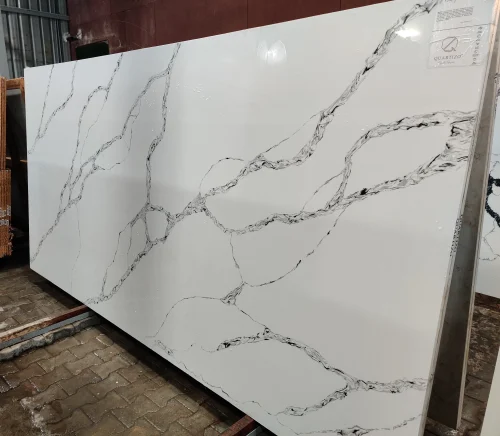
Engineered materials now replicate marble, granite, and quartzite with remarkable accuracy.
3. Large Format Surfaces
Bigger slabs reduce seams and create a more continuous visual flow in interiors.
4. Mixed Material Design
Designers are combining surfacing systems with wood, metal, and glass for layered visual effects.
How to Choose the Right Decorative Surfacing System
Selecting the right surface depends on both functional and design requirements. Here are key considerations:
1. Intended Use
High-traffic areas require more durable and impact-resistant materials.
2. Aesthetic Goals
Choose finishes that align with the overall design theme—modern, rustic, luxury, or industrial.
3. Maintenance Expectations
Some materials require minimal upkeep, while others may need periodic care.
4. Budget and Lifecycle Value
While initial costs vary, long-term durability often determines overall value.
The Role of Manufacturers in Quality Assurance
Quality assurance is a critical factor in the surfacing industry. Leading manufacturers ensure consistency through strict testing protocols, including:
- Surface hardness testing
- Heat and stain resistance checks
- Color consistency validation
- Structural integrity assessments
This ensures that every slab or panel performs reliably across its intended application.
Future Outlook of Decorative Surfacing Systems USA
The future of decorative surfacing systems USA is closely tied to innovation, sustainability, and digital design integration. As construction demands become more complex, surfacing materials will continue evolving in the following ways:
- Increased use of eco-friendly raw materials
- Smarter, more adaptive surface technologies
- Greater customization through digital fabrication
- Improved performance in extreme environments
These advancements will continue to reshape how spaces are designed and experienced across residential and commercial sectors.
Conclusion
Decorative surfacing systems USA have become an essential part of modern architecture and interior design. Their combination of durability, visual versatility, and low maintenance makes them a preferred choice for designers, builders, and homeowners alike.
With continuous innovation from industry leaders like Hyundai L&C, the future of surfacing systems is set to deliver even greater performance and design freedom. As demand grows, these materials will continue to define the standards of modern living and commercial environments across the United States.