

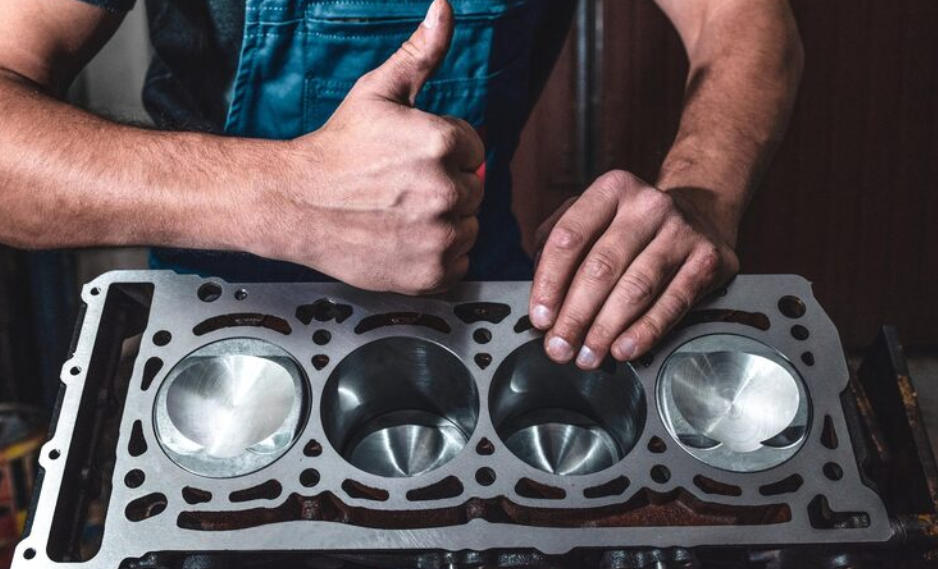
A vehicle’s engine contains many moving parts that work together to provide power and smooth performance. To keep these parts working properly, the engine needs clean oil and a well-sealed system. Valve cover gaskets play an important role in protecting the engine by preventing oil leaks and keeping dirt and other harmful materials away from important components. Although they are small parts, they make a big difference in engine cleanliness, performance, and long-term reliability.
What Are Valve Cover Gaskets?
Valve cover gaskets are sealing components fitted between the engine’s cylinder head and valve cover. Their main purpose is to prevent engine oil from escaping through the gap between these two parts. They create a tight seal that keeps oil inside the engine while it moves around to lubricate different components.
These gaskets are commonly made from rubber, silicone, or other heat-resistant materials. Since engines operate at high temperatures, valve cover gaskets must be strong enough to handle heat, pressure, and regular engine movement. A properly fitted gasket helps maintain a clean and well-protected engine.
How They Prevent Oil Leaks
One of the most important functions of valve cover gaskets is stopping oil leaks. Engine oil is essential because it reduces friction between moving parts and helps prevent unnecessary wear. When a gasket becomes damaged, cracked, or worn out, oil can escape from the valve cover area.
Oil leaks can create several problems if they are not addressed. Leaking oil may collect around engine components, produce unpleasant burning smells, and leave stains inside the engine compartment. By maintaining a strong seal, valve cover gaskets help keep oil where it belongs and reduce the chances of these problems developing.
Keeping the Engine Clean
A clean engine is easier to inspect and maintain. When oil leaks from the valve cover, it can attract dust, dirt, and road debris. Over time, this mixture can create a thick layer of grime around different engine parts.
Healthy valve cover gaskets help prevent this buildup by keeping oil contained within the engine. This makes the engine compartment cleaner and allows vehicle owners and mechanics to identify other potential problems more easily. Proper sealing also helps protect nearby components from unnecessary oil exposure.
Supporting Engine Efficiency and Performance
Engine efficiency depends on several factors, including proper lubrication and regular maintenance. Valve cover gaskets support this process by helping prevent oil loss. When the engine maintains the correct oil level, its internal components receive the lubrication they need to operate smoothly.
A damaged gasket may allow oil to escape gradually, which can contribute to low oil levels if the leak is ignored. Maintaining healthy valve cover gaskets helps reduce this risk and supports consistent engine operation. Although these gaskets do not directly increase engine power, they contribute to the conditions needed for reliable performance.
Signs That Gaskets Need Replacement
Over time, heat and regular use can cause valve cover gaskets to become hard, brittle, or cracked. Common warning signs include visible oil around the valve cover, a burning oil smell, smoke from the engine area, and frequent drops in oil levels.
If these signs appear, having the engine inspected by a qualified mechanic is important. Replacing worn gaskets early can help prevent further oil leakage and avoid more expensive repairs.
Conclusion
Valve cover gaskets are essential for keeping an engine clean, properly lubricated, and efficient. They prevent oil leaks, reduce dirt buildup, and help protect important engine components. Regular inspections and timely replacement can support better engine health, improve reliability, and help vehicle owners avoid unnecessary maintenance costs.