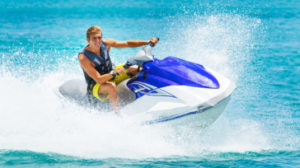

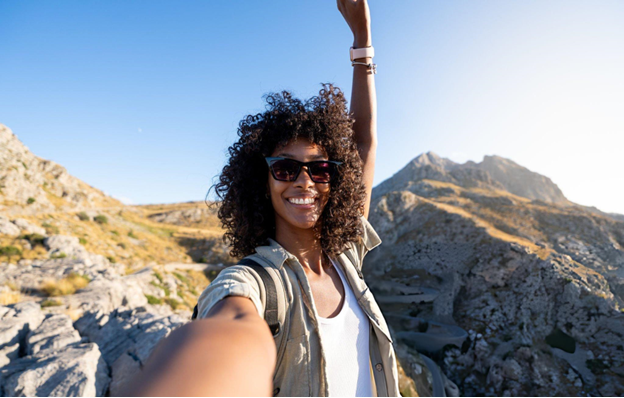
Adventure days are the best kind of days—snorkeling in clear water, climbing up to a waterfall, squeezing in a theme-park sprint, then finishing with a sunset stroll through a new city. The only downside? Your curls and your schedule are both getting put to work. If you’re traveling with curly extensions (or planning to), the goal isn’t perfection—it’s keeping your texture looking fresh, defined, and low-fuss while your itinerary stays loud. This guide is part style playbook, part maintenance manual, so you can swim, hike, repeat… and still step into dinner feeling like your mane never struggled.
Before You Fly: Kinky Curly Hair Prep That Sets Your Trip Up for Success
Natural hair is amazing because it’s expressive, resilient, and full of personality—but it also responds quickly to weather, friction, and moisture changes. Kinky curly textures in particular love hydration and gentle handling, which is why choosing a travel-friendly install matters. If you’re starting your adventure with Kinky Curly Human Hair Bundles, think of them as your “vacation-ready texture”: they can mimic natural curl behavior while still giving you length and fullness—perfect for days when you want the look without the daily manipulation.
Before you leave, focus on prevention instead of constant correction. A few small prep steps can save you from frizz spirals later: trim any straggly ends if needed, make sure your leave-out (if you have any) is healthy, and practice one or two go-to styles you’ll wear on the road. Travel is not the time to experiment with a brand-new method at 6 a.m. in a hotel mirror.
Here’s a quick “set-it-and-go” prep list:
- Clarify gently 24–48 hours before departure (build-up makes tangles worse)
- Deep condition for softness and elasticity
- Detangle thoroughly from ends to roots (patience now = fewer knots later)
- Pack a satin scarf or bonnet for nightly protection
- Bring a small spray bottle for daily refreshes
Choose From the Best: Curly Texture Options That Hold Up in Heat, Humidity, and Motion
Natural hair routines teach us something important: curls thrive when they’re supported, not stressed. That means choosing a curl pattern and density that matches your real-life schedule—especially when your trip includes sweat, salt, sunscreen, and frequent outfit changes. Some textures look stunning but demand constant smoothing; others behave like a true wash-and-go, bouncing back after movement and moisture. For adventure travel, you want the type of curl that resets easily and resists tangling when you’re active.
When you’re comparing options, prioritize realistic texture, spring, and versatility—the kind that can handle braids at the roots, a puff-like silhouette, or a quick half-up style without losing its vibe. This is where many travelers end up choosing Best Curly Hair Extensions as their top pick because they can deliver that “authentic curl story” while staying wearable across different climates and activity levels—without feeling overly fragile.
To pick a travel-proof curl texture, look for:
- Elastic curls that bounce back after being pinned up
- Medium density (full, but not so heavy it mats under heat)
- Soft, defined ends (dry ends tangle faster during hikes and swims)
- Minimal shedding (you’ll be detangling more often on active trips)
Beach Day Routine: Protecting Curls from Chlorine, Saltwater, and Frizz
If you’re wondering, “How do you protect curly bundles from chlorine and still keep definition?” the secret is a simple sequence: pre-wet, barrier, contain, and reset. Chlorine and saltwater can roughen the cuticle, leaving tresses dry and more prone to knots. But you can reduce damage dramatically by controlling what your mane absorbs first.
Start by pre-wetting your curls with clean water before you swim. Hair (and extensions) act like a sponge—if it’s already saturated with fresh water, it takes in less chlorine or saltwater. Next, smooth a light barrier over the lengths. Think of it as a protective layer that helps keep the curl pattern from getting crunchy.
Swim-day steps that actually work:
- Rinse or soak curls with fresh water first
- Apply a lightweight leave-in + a small amount of oil or serum on the ends
- Put hair into a low-tension style (two braids, low bun, or twist-and-pin)
- After swimming, rinse as soon as you can—even a quick shower helps
To prevent frizz + knots after ocean swims and hot-weather activities, focus on friction control. Salt + wind + sun turns loose curls into “Velcro curls” fast. The fix: keep your style contained during the rough parts of the day, then refresh once you’re back on land. If your curls feel puffy after an ocean dip, avoid aggressive brushing—use fingers and a wide-tooth comb only where necessary, and re-clump with water and leave-in.
Trail-Proof Styles: Hiking and Sweat Hairstyles That Keep Your Mane Neat
For “What hairstyles are best for hiking + sweat with curly extensions?” Choose styles that reduce tangling at the nape and keep hair off your neck—without pulling too tight. Hiking adds sweat, backpack straps, and constant movement. That combo can cause matting where your hair rubs (especially behind the ears and at the collar).
Two rules make hiking styles work: secure the base and protect the ends. Your base should be smooth and stable, so it doesn’t shift with movement, and your ends should be tucked or controlled so they don’t tangle against clothing.
Adventure-friendly hairstyles to rotate:
- Two low braids (great under hats; minimal friction)
- Low braided bun (secure, sleek, and backpack-friendly)
- Half-up, half-down pineapple (keeps volume while freeing shoulders)
- Claw-clip twist (quick for city miles; low tension)
Sweat management matters, too. If your scalp gets sweaty, dab with a microfiber towel or cotton tee (not rough hotel towels). If you like a scalp refresher, use a light mist and let it air-dry—heavy products can cause build-up and make detangling harder later.
Night Reset and Wash Schedule: Hotel-Friendly Definition Without Over washing
“How often should you wash curly bundles on a trip with swimming days?” depends on how often you swim and what water you’re in. As a practical travel rule: rinse after every swim and wash only when needed. If you swim in chlorine frequently (like a hotel pool), aim for a gentle wash about every 2–3 swim day. If you’re mostly in the ocean, you may be able to stretch it a bit longer—especially if you rinse well and keep your ends conditioned. The goal is balance: remove residue without stripping moisture.
Your nightly reset doesn’t need to be complicated—it just needs to be consistent. At night, use a “soft reset” approach: rehydrate, smooth, and protect. This is also where you prevent frizz + knots from building up into bigger problems by morning.
A simple hotel night routine:
- Lightly mist curls with water (don’t soak)
- Smooth a small amount of leave-in through the mid-lengths and ends
- Finger-detangle any snaggy areas
- Set hair into 2–4 loose twists or a high pineapple
- Sleep with a satin bonnet or scarf (or use a satin pillowcase)
If your curls need a morning refresh, use the same method—water first, then a tiny bit of product, then scrunch to re-form definition. Avoid piling on layers; heavy product build-up can make curls look dull and feel sticky.
FAQs
How do I keep curls defined after chlorine without washing immediately?
Rinse thoroughly, squeeze out excess water with a microfiber towel, apply leave-in, then gently scrunch. If you can’t rinse right away, keep the style contained and rinse as soon as possible.
What’s the best “all-day” style for theme parks and city walking?
A half-up pineapple or a low braided bun works well. Both control friction, stay cute in photos, and keep your mane off your face when you’re moving nonstop.
How do I detangle after a long, sweaty hike?
Mist with water, add a little leave-in, and finger-detangle from ends upward. If needed, use a wide-tooth comb only after you’ve softened the curls—never detangle dry.
What’s the fastest way to prevent knots at the nape?
Keep that area protected: low braids, a low bun, or a twist-and-pin style. Also avoid rough collars and let your hair rest in a satin scarf during downtime.
Do I need to be in deep condition on a short trip?
If you’re swimming often or your tresses feel dry, a quick deep-conditioning session mid-trip can help. Even 10–15 minutes in the shower with a rich conditioner makes a noticeable difference.